Being turned down for credit is frustrating, especially when you need the money for something important. A bad credit score does limit your choices, and what is left tends to cost more. But it does not always mean you cannot borrow, and some of the options are ones people do not think of first.
Here is an honest look at the options open to you, starting with those that tend to cost least, along with the traps to stay away from.
First, ask whether borrowing is the answer
Before applying anywhere, be clear about what the money is for and how you will pay it back. If you need to borrow to cover everyday bills or to keep up with other debts, more credit is likely to make things harder. In that case, free debt advice from StepChange, National Debtline or Citizens Advice is the better first step.
It also helps to know where your bad score comes from. Our guide to bad credit vs no credit explains how lenders read different kinds of credit history.
Options that may cost less
Credit unions
Credit unions are not-for-profit lenders owned by their members. Many are used to lending to people with poor credit and will look at your situation as a whole. In Great Britain, the interest they can charge is capped by law. You usually need to live or work in the area the credit union covers, and some ask you to save with them first.
Help through the benefits system
If you have been getting Universal Credit or certain other benefits for six months or more, you may be able to get an interest-free Budgeting Advance for things like replacing a cooker or paying for a deposit. Your local council may also run a welfare support scheme for emergencies.
Your employer
Some employers offer salary advances or access to earned wages before payday. If yours does, read the terms carefully, as some services charge fees.
Use eligibility checkers before you apply
Every full application leaves a hard search on your credit file, and several in a short space of time can make lenders more cautious. Soft-search eligibility checkers show how likely you are to be accepted without affecting your score. They can help you narrow your options before you make a full application.
Secured borrowing, including logbook loans
When a loan is secured against something you own, the lender has extra protection, so it may consider applicants that unsecured lenders turn down. The downside is that you could lose that asset if you do not keep up repayments.
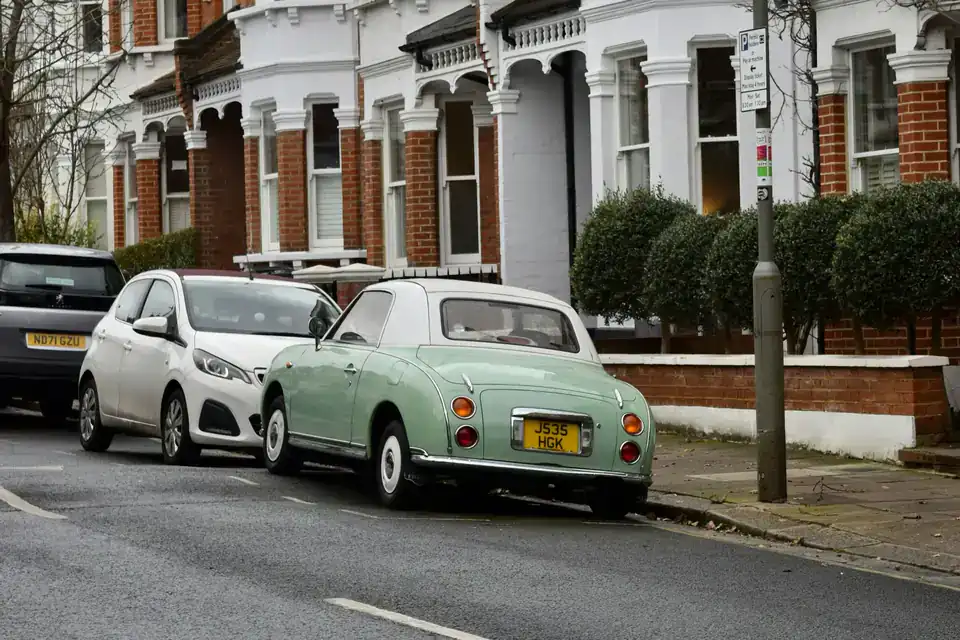
At Logbook Money, our decision is based on your vehicle's value and whether the repayments are affordable for you, not just your credit score, and we consider people with bad credit. A soft search gives you a personalised quote with no effect on your score. Logbook loans are an expensive way to borrow, though, so compare the total you would repay with any other option you have. Our guide to spotting a good logbook loan company explains what to check.
What to avoid
- Anyone who asks for a fee upfront. Genuine lenders do not ask you to pay before you receive a loan.
- Promises of guaranteed approval or no checks at all. Responsible lenders must check that you can afford the repayments. Our article on why "no credit check" loans are a red flag explains why.
- Unlicensed lenders. Loan sharks may seem friendly at first but can charge huge amounts and use threats. Check every lender on the FCA Register.
- Repeatedly rolling over short-term loans. Borrowing again to repay the last loan quickly becomes a cycle that is hard to escape.
Whatever you decide, borrow only what you need and make sure the repayments fit your budget even if something goes wrong.
This article is general information, not financial advice. For free, impartial help with your own situation, visit MoneyHelper.
Your car may be repossessed if you do not keep up repayments on a loan secured against it.