If you are thinking about borrowing against your car, choosing who to borrow from is one of the most important decisions you will make. A good lender is open about costs, checks that the loan suits you and treats you fairly if things go wrong. A poor one, or an outright fraudster, can leave you worse off than when you started.
Work through this checklist before you sign anything with any lender, including us.
1. Check the lender is authorised by the FCA
Any firm offering consumer credit in the UK must be authorised by the Financial Conduct Authority. Search for the company on the FCA Register and check:
- the name, address and phone number match the ones the lender gives you
- the firm is authorised for consumer credit lending
- there are no warnings about clone firms using its details
Fraudsters sometimes copy a real firm's name and reference number. If in doubt, contact the firm using the details shown on the Register, not the ones in an email or text you were sent. Logbook Money Limited is authorised by the FCA, and you can read more about Logbook Money and our history as a direct lender since 2009.
2. Look for clear, upfront costs
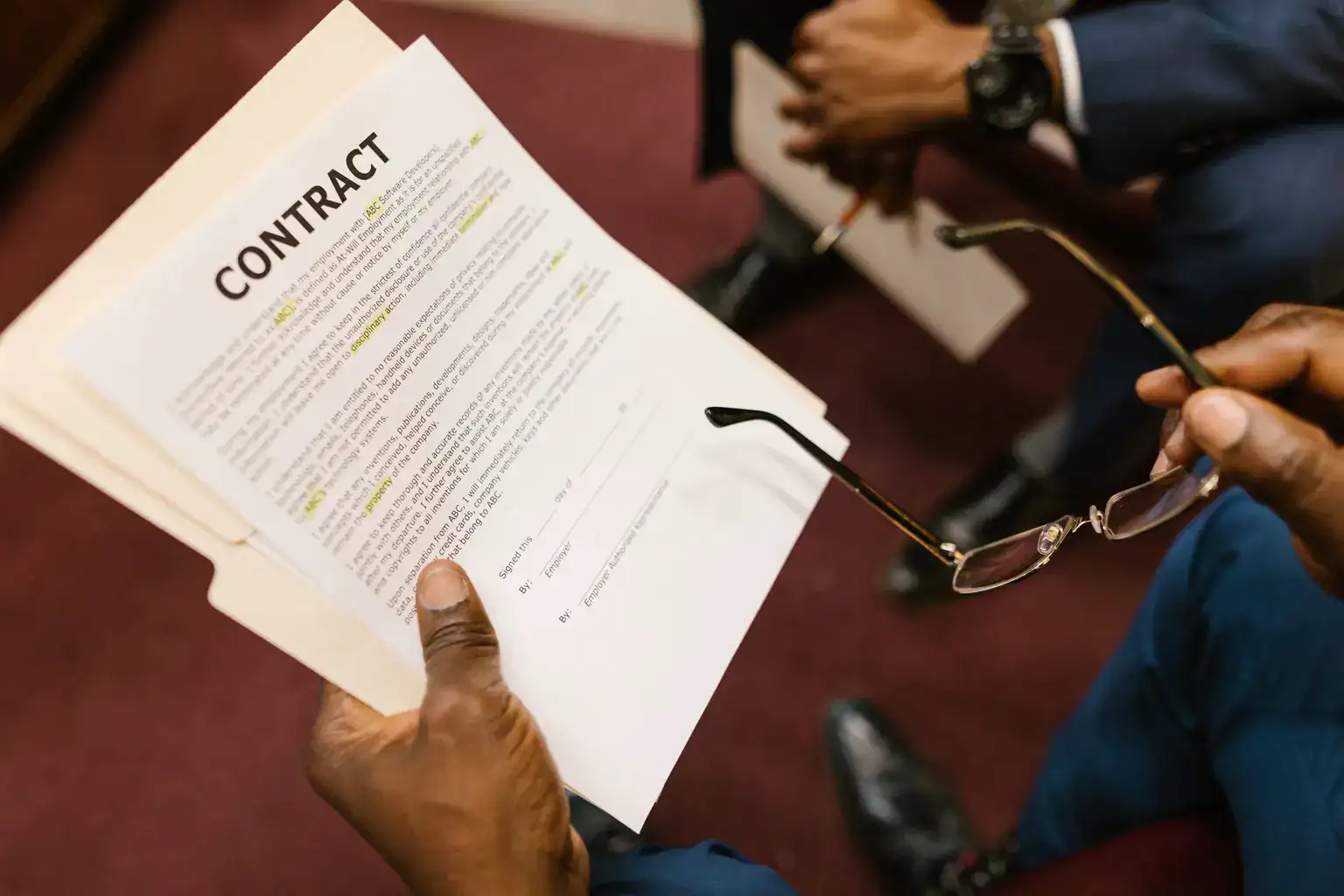
A good lender shows its representative example clearly on its website and in its adverts. Before you sign, you should receive pre-contract information setting out the amount you borrow, the interest rate, the APR, the number and size of repayments and the total amount you will repay.
Check the early repayment terms too, and how any rebate on interest is worked out. At Logbook Money you can settle at any time with a rebate on interest. With a genuine logbook loan you also keep driving as normal, and we never take your V5C logbook or spare key.
If any of this is hard to find, or the lender is vague when you ask, treat it as a warning sign. Our guide to avoiding hidden fees shows what to look for in the paperwork.
3. Expect proper affordability checks
It might seem odd, but a lender that asks lots of questions is usually a good sign. Responsible lenders must check that you can afford the repayments without falling into difficulty. At Logbook Money, an underwriter reviews your bank statements and calls you to talk through your circumstances.
Be wary of anyone who promises approval without checks or says your credit history does not matter at all. A soft search for a quote is normal and does not affect your credit score, but a full application should always involve a proper look at your finances.
4. Never pay a fee before you get the money
Asking for money upfront to "secure" or "release" a loan is one of the most common frauds. Do not pay an advance fee by bank transfer, gift card or voucher to anyone offering you credit. Our article on financial scams to watch for explains how these work. If you think you have been targeted, report it to Report Fraud.
5. See how they treat customers in difficulty
Life can change during a loan. FCA rules require lenders to treat customers in financial difficulty with forbearance and due consideration, and the Consumer Duty requires firms to act to deliver good outcomes for customers. In practice, a good lender will talk to you, look at whether a payment plan could help and point you to free debt advice.
Ask a lender what happens if you miss a payment. A good one will give you a straight answer.
6. Check there is a clear complaints process
Every authorised lender must have a complaints procedure. Ours is on our complaints page. If you are unhappy with the final response, or you have not had one within eight weeks, you can take your complaint to the Financial Ombudsman Service for free.
Even a well-run lender's loan is a costly way to borrow when it is secured on your vehicle. This article is general information, not financial advice. If you are borrowing to cope with existing debts, speak to StepChange or MoneyHelper first.
Your car may be repossessed if you do not keep up repayments on a loan secured against it.