An advert for a loan with "no credit check" can look like a lifeline if your credit history is a bit patchy. It suggests your past will not count against you and the money will turn up without any awkward questions. In reality, it is one of the clearest signs that something is not right.
Here is why responsible lenders always check, what those checks actually involve, and how to protect yourself from firms that skip the rules.
Every authorised lender has to check you can afford a loan
Consumer lending in the UK is regulated by the Financial Conduct Authority (FCA). Its rules say a lender must work out whether you can realistically repay before it agrees to lend. That means looking at your income, your outgoings and the debts you already have, not just handing over money and hoping for the best.
Those checks are there to protect you. A loan you cannot afford can drag you further into debt and damage your credit file, and with secured borrowing it can put the thing you have borrowed against at risk. A lender that genuinely makes no checks at all is either ignoring the rules or not authorised in the first place.
Soft searches and hard searches: what is the difference?
Not every check leaves a mark on your credit score, and that is where a lot of the confusion comes from.
- Soft search: a light look at your credit file, often used to give you a quote or tell you whether you are likely to be accepted. Only you can see it, and it does not affect your credit score.
- Hard search: a full check, normally made when you formally apply. Other lenders can see it, and lots of them close together can make it look like you are struggling.
Sometimes a firm says "no credit check" when what it really means is that its quote uses a soft search. If so, the wording is misleading, and it is worth asking exactly what checks will happen before any money is paid out.
Five warning signs of an unauthorised lender
- They promise you will be approved, whatever your situation.
- They ask you to pay a fee before you receive the loan.
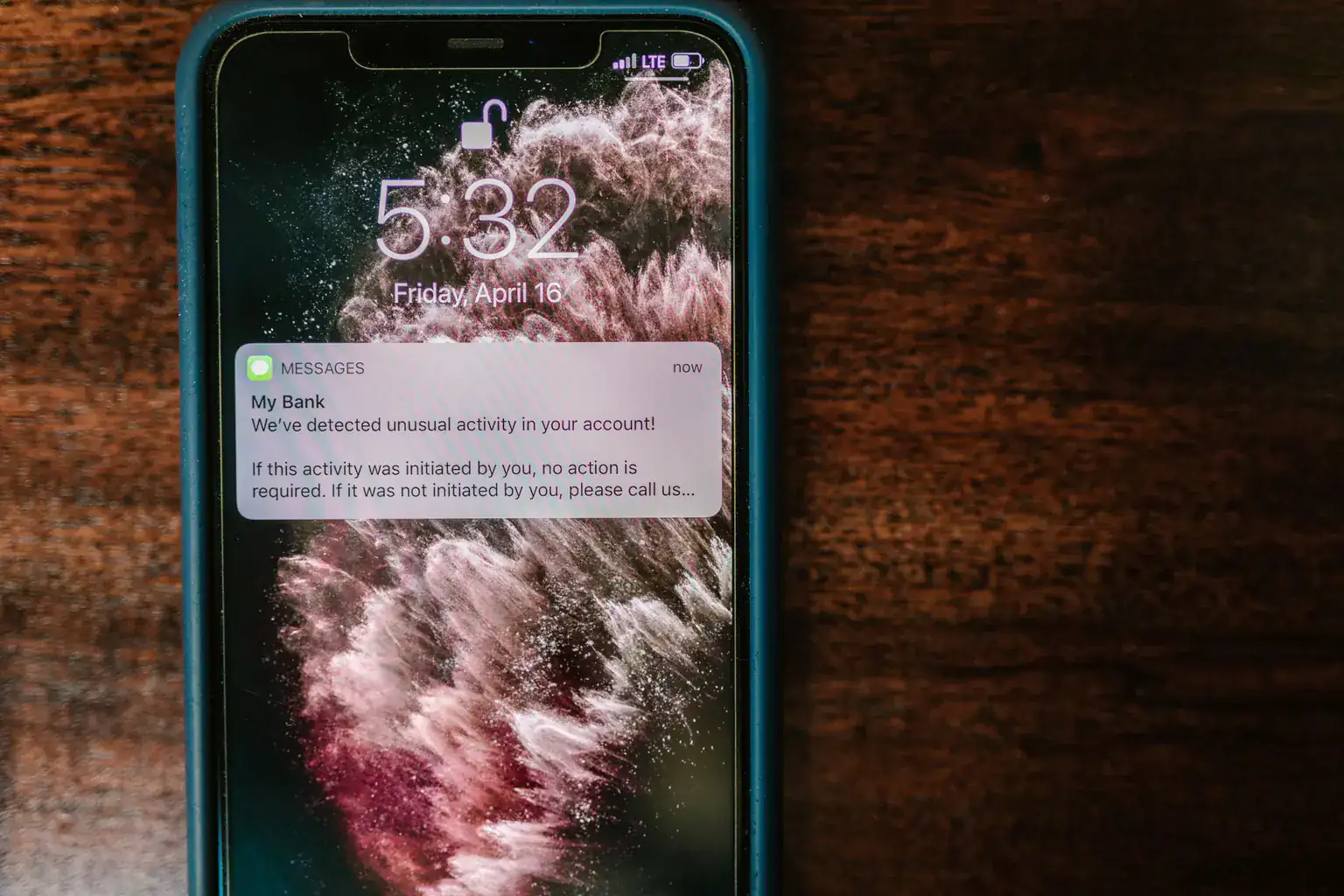
- They get in touch out of the blue by phone, text or social media.
- They want to hold on to your bank card, passport or other documents.
- They push you to decide quickly or will not put the terms in writing.
Before you deal with any lender, look it up on the FCA Financial Services Register. Make sure the website, phone number and email address match the details listed there, because fraudsters sometimes copy the name of a real firm. If you think you have been targeted by a scam, report it to Report Fraud, or to Police Scotland if you live in Scotland.
Illegal money lenders, often called loan sharks, are a related problem. They can seem friendly at first, then charge eye-watering amounts and use threats when you fall behind. If you are worried about one, specialist Illegal Money Lending Teams can help, and you will not be in trouble for having borrowed from them.
A poor credit history does not have to mean no checks
If your credit record is not perfect, you may still be able to borrow from an authorised lender that looks at more than your score. At Logbook Money, our decision is based on the value of your vehicle and whether the repayments are affordable for you, and bad credit is considered. You can get a personalised quote with a soft search that will not affect your credit score. Our page on bad credit loans explains more.
We still check affordability carefully. An underwriter looks through your bank statements and gives you a call to talk things through, because we want to be confident the loan works for you. Our eligibility page sets out what you need before you apply.
Think it through before you borrow
A logbook loan is secured on your car, so it is a serious commitment and can cost more than borrowing from a bank or credit union. Have a read of our guide to questions to ask before taking out a logbook loan to help you decide whether it is right for you. This article is general information, not financial advice. If you are thinking of borrowing to cover debts you already have, speak to a free adviser at StepChange or MoneyHelper first.
Your car may be repossessed if you do not keep up repayments on a loan secured against it.