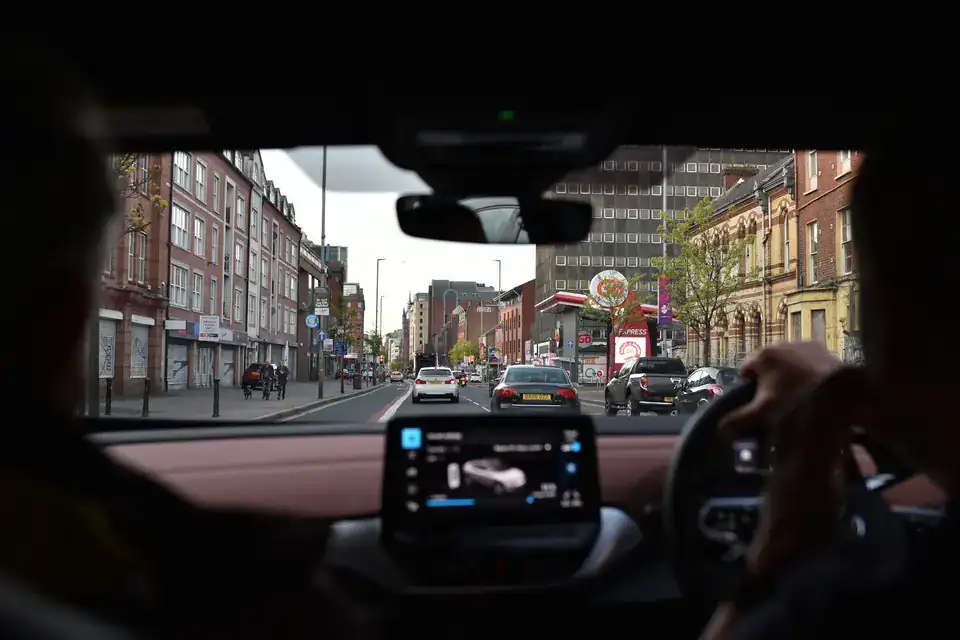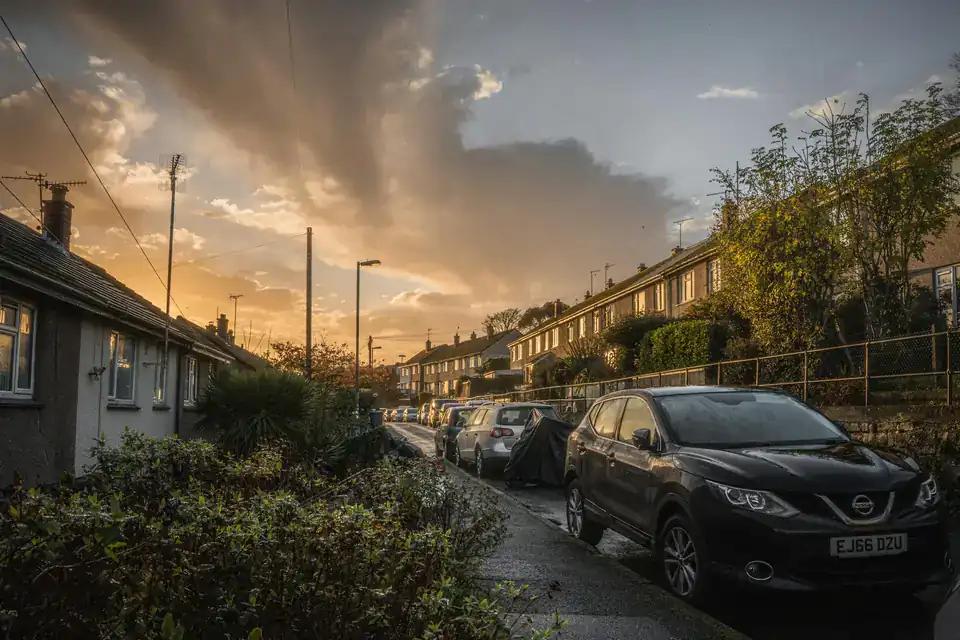
If you own your car outright, it can help you borrow when other doors have closed. A logbook loan lets you borrow from £1,000 to £50,000 using your vehicle as security, and you carry on driving it while you pay the loan back.
Logbook Money has been lending directly to customers across the UK since 2009. Here are the main reasons people come to us, along with the things worth weighing up before you apply. If this kind of borrowing is new to you, our guide to what a logbook loan is covers the basics.
Your credit score is not the whole story
A missed payment from a few years ago, a CCJ or a thin credit file can mean an automatic no from some lenders. We take a different approach. Our decision rests on two things: what your vehicle is worth and whether the repayments fit comfortably within your budget.
That means bad credit is considered. An underwriter looks at your application as a whole and talks your circumstances through with you, rather than leaving it all to a score. You can read more on our bad credit loans page. We still check affordability carefully, and we will not lend if the repayments would stretch you too far.
See your quote without harming your credit score
Before you commit to anything, we run a soft search. Other lenders cannot see it, and it has no effect on your credit score. You then get a personalised quote showing how much you could borrow, over what term and what you would repay.
You can apply on your phone or computer whenever it suits you. There is no branch to visit and no need to take time off work.
You keep the keys and keep driving
For most people, the car is how they get to work, do the school run or visit family. Being without it, even for a few weeks, is not really an option. With a logbook loan it stays on your drive. The loan is secured with a Bill of Sale, which makes us the legal owner until you have repaid, but day-to-day use stays with you.
We never take your V5C logbook or your spare key. Find out more about how you keep your car while you repay.
Money usually within 24 working hours
When a bill cannot wait, a slow application is the last thing you need. Once you apply, an underwriter reviews your bank statements and gives you a call to check the loan is affordable. For most loans a signing agent then visits, usually within 3 working hours, to witness the Bill of Sale. We pay the money by bank transfer, and it usually lands within 24 working hours of your application.
Repayments you can plan around
Your interest is fixed on the day you sign, so your repayments will not creep up partway through. You pick a term between 18 and 60 months, and whether to pay weekly or monthly. Payments are collected by recurring debit card payment, which lots of people like to line up with payday.
If things pick up, you can settle early at any time and get a rebate on interest. The sooner you clear the balance, the less you pay overall. Early settlement quotes include one month's interest, and your settlement figure shows exactly what is due. When the loan is paid off, ownership of the vehicle comes back to you.
What to weigh up before you apply
The benefits only count if the loan is right for you. A logbook loan costs more than most mainstream credit, and because it is secured, your vehicle is at risk if you fall behind. Before you apply:
- Borrow only what you need, not the most you could get.
- Try our logbook loan calculator to see the repayments and check the representative example.
- Ask yourself whether a credit union, help from family or a payment plan with the company you owe could cover the cost instead.
- If you are already behind with bills, talk to a free adviser at MoneyHelper, StepChange or Citizens Advice first.
This article is general information, not financial advice. For free, impartial help with your own situation, visit MoneyHelper.
Your car may be repossessed if you do not keep up repayments on a loan secured against it.