Summer should be the season to relax, but it often costs more than any other time apart from Christmas. The children are off school, there are barbecues and birthdays to go to, and a trip away can take a big bite out of your savings. The good news is that most summer costs are ones you can plan for.
Here are some practical ways to keep your spending in check without staying in every weekend.
Set a summer budget before the holidays start
The easiest summer to afford is one you have planned. Sit down before the school holidays and list everything you expect to pay for: a trip away, days out, childcare, extra food, presents for summer birthdays and the odd treat. Put a rough figure next to each one.
Then compare the total with what you can realistically set aside. If there is a gap, now is the time to trim the list rather than in August when the money has already gone. If you have not worked out your monthly numbers before, our guide to the key figures in your budget walks you through it.
A separate savings pot or account for summer spending helps too. When it is empty, you know you have reached your limit.
Enjoy days out that cost little or nothing
Some of the best summer days cost almost nothing.
- Many national museums and galleries are free to enter, and lots of them run free family trails during the holidays.
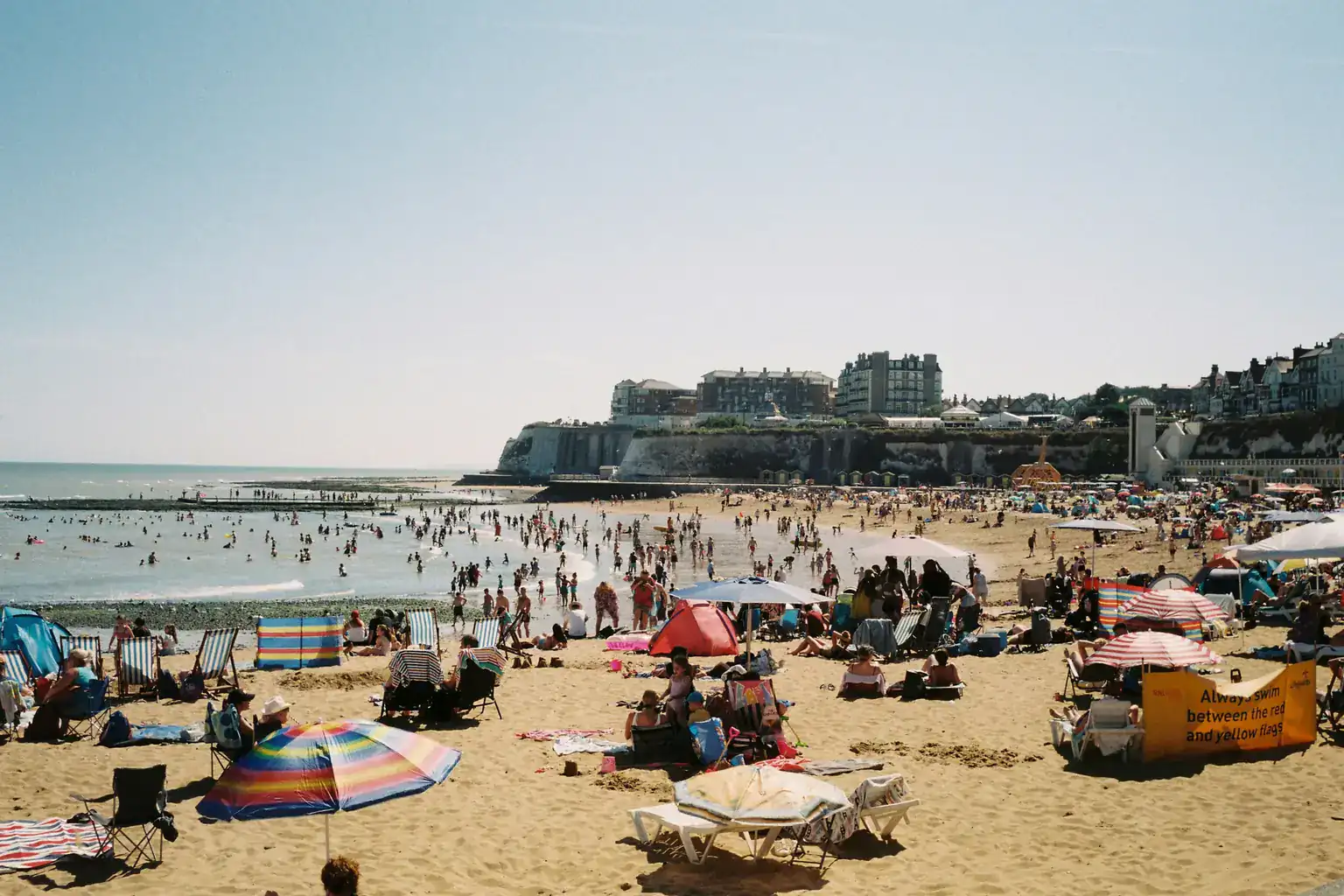
- Parks, beaches, woodland walks and riverside paths are free. Take a picnic rather than buying lunch out.
- Check your local council's website for free summer events, fun days and outdoor cinema nights.
- Look for two-for-one entry offers and off-peak tickets for paid attractions, and book online if it is cheaper than paying on the gate.
- If you visit one place often, work out whether an annual pass would cost less than paying each time.
Keep the kids busy without breaking the bank
Six weeks is a long time to fill. A rough plan for each week, mixing paid activities with free ones, stops costs creeping up day by day.
- Libraries run a free reading challenge over the summer, along with craft sessions and events.
- In England, children who get benefits-related free school meals can often go to free holiday clubs that include a meal. Ask your child's school or your council.
- Take turns with other parents. Looking after each other's children for a day each saves on childcare and gives everyone a break.
- Look out for restaurants and cafes where children eat free or for a pound with a paying adult.
Cut the cost of a holiday and travel money
If you are going away, the biggest savings usually come from being flexible on dates. Travelling just before or after the school holidays, or flying midweek, can make a real difference. Self-catering can work out cheaper than eating out every night, especially for a family.
When you spend abroad:
- Some cards charge a fee on every purchase or withdrawal abroad, so check with your bank before you go.
- If a card machine or cash machine asks whether to pay in pounds or the local currency, choose the local currency. The conversion rate offered in pounds is usually worse.
- Avoid changing money at the airport, where rates tend to be poor.
- If you take out travel insurance, cancellation cover usually only applies from the date the policy starts, which is why many people arrange it when they book.
- For trips to Europe, apply for a free Global Health Insurance Card (GHIC). It is free through the official service, so ignore websites that charge a fee to apply.
Bring your energy use down in the warmer months
Summer is a good time to give your energy bills a rest.
- Turn your heating off fully rather than leaving it on a low setting.
- Dry washing outside instead of using a tumble dryer.
- Use a fan and close curtains on sunny windows during the day rather than running air conditioning.
- Cook outdoors, use a microwave or slow cooker, and avoid heating the oven for small meals.
- Submit regular meter readings so your bills are based on what you actually use.
If you pay by monthly direct debit, your account may build up some credit over the summer. That is normal, as it usually covers the higher bills in winter, so think twice before asking for it back.
If summer leaves you short
If you get to September with less than you hoped, do not panic. Use the autumn to rebuild your savings pot a little each month, ready for next year. Our tips on protecting your household finances may help you find room in your budget. This article is general information, not financial advice. If bills are piling up, free and confidential help is available from MoneyHelper and Citizens Advice.